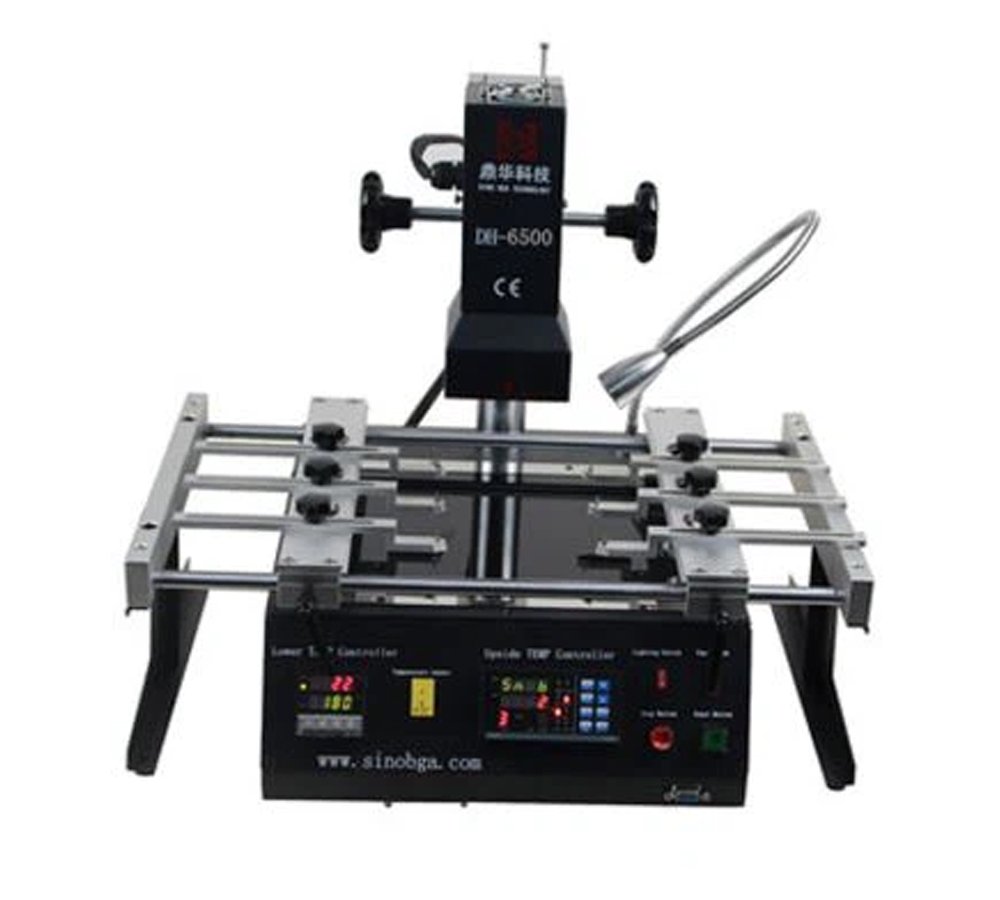
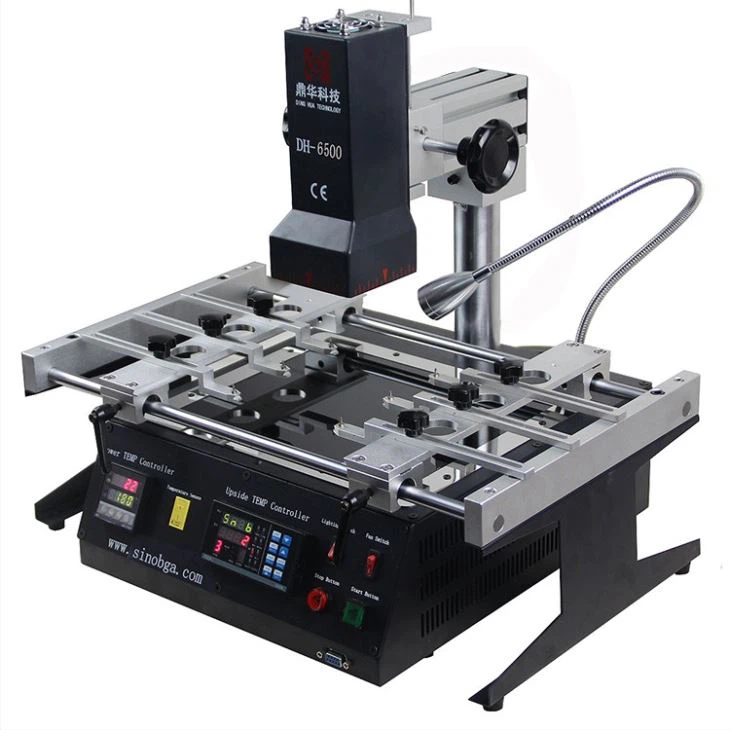
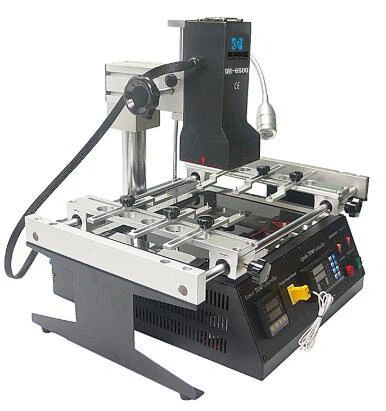
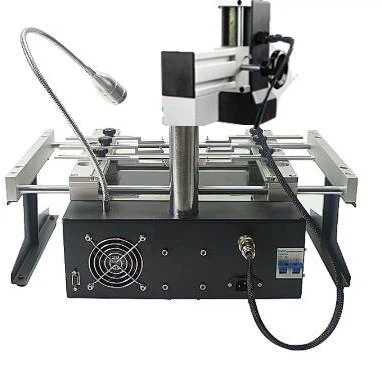
The rate of temperature rise in a lead-free preheating zone is usually controlled at 1.2–5 ℃/s (seconds). The temperature in the preheating zone is typically less than 160 ℃, and the temperature in the insulation zone is 160–190 ℃. The peak temperature is generally controlled at 235–245 ℃, with the temperature maintained for 10–45 seconds. The time from temperature rise to peak temperature is about 1.5 to 2 minutes.
The melting point of lead solder is 183 ℃, while the melting point of lead-free solder paste is 217 ℃. When the temperature reaches 183 ℃, lead-containing solder paste begins to melt. Due to its chemical properties, the actual melting point of solder beads is higher than that of solder paste.
General Knowledge of the Machine:
- Widely Used: Top-side open + bottom-side dark infrared.
- Three Temperature Zone Models: Hot air + radiant heat + low dark infrared light.
- All-Red Appearance: Upper infrared + lower dark infrared. Key points: Heating methods and temperature schedules vary depending on the type of product.
The introduction of heat is as follows:
Hot Air Heating: Utilizes the principle of air heat transfer, offering high-precision, controllable heating. Adjusting the air volume and wind speed achieves uniform and controllable heating. During welding, heat is transferred from the body of the BGA chip, causing a difference in temperature between the solder beads and the hot air outlet. Temperature requirements may vary depending on individual manufacturers, and the data in this white paper apply to all Dinghua Technology models. These factors must be considered when setting up, and the performance of the solder beads must be understood and configured accordingly.
For differentiation in temperature sections (refer to the manufacturer’s technical instructions for specific settings), it is important to adjust the highest temperature section first. Set the peak temperature value (235 ℃ for lead-free, 220 ℃ for leaded material) and run the BGA repair station for test heating. When heating, monitor the entire process, especially if the temperature tolerance of the new board is unknown. When the temperature exceeds 200 ℃, inspect the melting process of the solder ball in the patch next to the BGA. Use tweezers to touch the patch; if it moves, the temperature is sufficient. When the BGA chip begins to sink, record the temperature displayed on the device or touchscreen and the operation time. The ideal temperature should be maintained for 10–20 seconds after reaching the melting point.
Bottom Line: Once the BGA is formed, the solder balls will begin to separate after reaching the peak temperature for a few seconds. Only the highest temperature segment of the temperature curve needs to be set to the highest constant temperature for N + 20 seconds. For other procedures, refer to the temperature curve parameters provided by the manufacturer. Generally, the entire process for leaded soldering should be controlled within approximately 210 seconds, and the lead-free process within about 280 seconds. The time should not be too long to avoid unnecessary damage to the PCB and BGA.